The Complete Guide to Medical Tourism in India: Procedures, Costs, and Top Hospitals

India has emerged as a global powerhouse in medical tourism, attracting hundreds of thousands of international patients each year seeking high-quality healthcare at a fraction of the cost they would pay in Western countries. With state-of-the-art facilities, internationally trained doctors, and a rich tradition of hospitality, India offers a compelling combination of advanced medical care and significant cost savings.
In this comprehensive guide, we'll explore everything you need to know about medical tourism in India, from the most popular procedures and their costs to the country's top hospitals and practical considerations for planning your medical journey.
Why Choose India for Medical Tourism?
India's rise as a medical tourism destination isn't accidental. Several key factors have contributed to its growing popularity among international patients:
1. Significant Cost Savings
Perhaps the most compelling reason patients travel to India is the dramatic cost difference. Medical procedures in India typically cost 65-90% less than in the United States, UK, or Canada. For example:
- Heart bypass surgery: $6,000-$7,000 in India vs. $70,000-$200,000 in the US
- Hip replacement: $7,000-$9,000 in India vs. $30,000-$50,000 in the US
- Dental implants: $900-$1,000 per tooth in India vs. $3,000-$4,500 in the US
- IVF treatment cycle: $2,500-$3,500 in India vs. $12,000-$15,000 in the US
These savings are substantial enough that even when factoring in travel expenses, accommodation, and recovery time, patients still save significantly compared to treatment in their home countries.
2. World-Class Medical Facilities
India boasts over 40 JCI (Joint Commission International) accredited hospitals, the gold standard for healthcare quality worldwide. These facilities feature cutting-edge technology, modern infrastructure, and adhere to international standards of patient care and safety.
Many Indian hospitals have specialized centers of excellence focusing on cardiac care, orthopedics, neurosurgery, oncology, and other complex medical specialties, equipped with the latest medical technology comparable to the best hospitals globally.
3. Highly Qualified Medical Professionals
Indian doctors are renowned for their expertise and training. Many have received education and training at prestigious international institutions in the US, UK, and Europe before returning to practice in India. The country produces thousands of medical graduates annually, creating a large pool of skilled healthcare professionals fluent in English, which eliminates language barriers for most international patients.
4. Minimal Wait Times
Unlike healthcare systems in many Western countries where patients might wait months for certain procedures, Indian hospitals typically offer immediate care. This is particularly valuable for patients requiring urgent treatments or those who have been placed on long waiting lists in their home countries.
5. Holistic Healing Traditions
Beyond modern medicine, India offers the unique advantage of traditional healing systems like Ayurveda, Yoga, and naturopathy. Many medical tourists combine conventional treatments with these traditional approaches for a more holistic recovery experience.
Most Popular Medical Procedures for International Patients
While India caters to virtually all medical specialties, certain procedures have become particularly popular among medical tourists:
Cardiac Procedures
India has established itself as a global leader in cardiac care, with several centers of excellence specializing in complex heart surgeries. Popular cardiac procedures include:
- Coronary artery bypass grafting (CABG)
- Angioplasty and stent placement
- Heart valve replacement
- Pediatric cardiac surgery
- Minimally invasive cardiac surgery
Indian cardiac surgeons perform thousands of heart operations annually, often with success rates comparable to or exceeding those of Western medical centers.
Orthopedic Treatments
Orthopedic procedures rank among the most sought-after treatments by medical tourists, including:
- Total knee replacement
- Total hip replacement
- Shoulder and other joint replacements
- Spinal fusion and disc replacement
- Sports injury treatments
Many Indian hospitals use computer-navigated surgery and minimally invasive techniques that reduce recovery time and improve outcomes.
Cosmetic and Plastic Surgery
India offers world-class cosmetic procedures at a fraction of Western prices:
- Rhinoplasty (nose reshaping)
- Facelift and neck lift
- Breast augmentation or reduction
- Liposuction and body contouring
- Hair transplantation
The combination of skilled surgeons, advanced techniques, and affordable pricing makes India particularly attractive for elective cosmetic procedures.
Dental Treatments
Dental tourism is booming in India, with patients seeking:
- Dental implants
- Full mouth rehabilitation
- Cosmetic dentistry (veneers, whitening)
- Root canal treatment
- Smile makeovers
Many Indian dental clinics use the same materials and equipment as Western facilities but offer treatments at 70-80% lower costs.
Fertility Treatments
India has become a destination for reproductive medicine, offering:
- In vitro fertilization (IVF)
- Intracytoplasmic sperm injection (ICSI)
- Surrogacy services
- Egg and sperm donation
- Preimplantation genetic diagnosis
The country's fertility clinics boast success rates comparable to international standards while charging significantly less.
Cancer Treatments
India offers comprehensive cancer care including:
- Surgical oncology
- Radiation therapy with linear accelerators
- Chemotherapy
- Bone marrow transplantation
- Immunotherapy and targeted therapies
Several Indian hospitals have dedicated cancer centers with multidisciplinary teams and the latest treatment modalities.
Top Medical Tourism Destinations in India
While quality healthcare is available throughout India, certain cities have emerged as primary hubs for medical tourism:
Delhi NCR
The National Capital Region hosts some of India's most prestigious hospitals, including Medanta-The Medicity, Apollo Hospitals, and Fortis Healthcare. The area benefits from excellent international connectivity through Indira Gandhi International Airport and offers a wide range of accommodation options.
Mumbai
India's financial capital features renowned institutions like Kokilaben Dhirubhai Ambani Hospital, Lilavati Hospital, and Jaslok Hospital. Mumbai combines world-class medical care with the convenience of being a major international gateway.
Chennai
Often called "India's health capital," Chennai is home to Apollo Hospitals' flagship facility and Sri Ramachandra Medical Centre. The city has pioneered many medical procedures in India and offers specialized care across virtually all disciplines.
Bangalore
This technology hub features cutting-edge medical facilities like Narayana Health, Manipal Hospitals, and Columbia Asia. Bangalore's pleasant climate makes it particularly suitable for post-operative recovery.
Hyderabad
Known for institutions like Apollo Health City and Continental Hospitals, Hyderabad offers excellent medical infrastructure combined with relatively lower costs of accommodation and living compared to other major cities.
JCI-Accredited Hospitals in India
Joint Commission International (JCI) accreditation represents the gold standard in global healthcare quality. Here are some of India's top JCI-accredited facilities:
Apollo Hospitals Group
With multiple JCI-accredited facilities across India, Apollo is perhaps the country's most recognized healthcare brand internationally. The group treats over 400,000 international patients annually and offers comprehensive care across all specialties.
Fortis Healthcare
Another major hospital chain with JCI-accredited facilities in cities like Delhi, Mumbai, and Bangalore. Fortis is known for its centers of excellence in cardiac care, orthopedics, neurosciences, and organ transplantation.
Medanta-The Medicity (Gurugram)
This 1,250-bed multi-specialty hospital features cutting-edge technology and internationally trained doctors. Medanta is particularly renowned for organ transplants, cardiac surgery, and neurosurgery.
Max Healthcare
With JCI-accredited hospitals in Delhi NCR, Max Healthcare offers specialized treatment in oncology, neurosciences, cardiac care, orthopedics, and transplants.
Kokilaben Dhirubhai Ambani Hospital (Mumbai)
This ultra-modern facility features robotic surgery capabilities and is known for its excellence in neurosurgery, cardiac care, and oncology.
Planning Your Medical Journey to India
If you're considering India for medical treatment, here's a step-by-step guide to help you plan your journey:
1. Research and Select a Hospital
Begin by researching hospitals specializing in your required treatment. Consider factors like:
- Accreditations (JCI, NABH, ISO)
- Specialist doctors' credentials and experience
- Success rates for your specific procedure
- Patient reviews and testimonials
- International patient services offered
Many hospitals have dedicated international patient departments that can provide detailed information about their services, doctors, and facilities.
2. Obtain a Medical Visa
India offers a specific Medical Visa (M-Visa) for those seeking treatment. Requirements typically include:
- A letter from the Indian hospital confirming your treatment plan
- Proof of sufficient funds for treatment and stay
- A completed visa application form
- Valid passport with at least six months validity
Medical visas are usually valid for up to one year with multiple entries allowed, and up to two companions can accompany the patient on Medical Attendant Visas.
3. Arrange Medical Travel Assistance
Consider working with a medical tourism facilitator who can help coordinate your entire journey, including:
- Hospital selection and appointment scheduling
- Visa assistance
- Airport pickup and transportation
- Accommodation arrangements
- Language interpretation if needed
- Sightseeing during recovery periods
Many Indian hospitals offer their own medical tourism packages that include these services.
4. Prepare Medical Records
Compile all relevant medical records, including:
- Diagnostic test results
- Previous treatment history
- Current medication list
- Physician notes and recommendations
- Imaging studies (X-rays, MRIs, CT scans)
Having these records translated to English if they're in another language will facilitate better communication with your Indian medical team.
5. Financial Planning
While treatments in India are significantly less expensive than in Western countries, it's important to plan your finances carefully:
- Obtain detailed cost estimates from the hospital
- Budget for accommodation, meals, and local transportation
- Consider international travel insurance that covers medical complications
- Plan for potential extended stay if recovery takes longer than expected
- Arrange for multiple payment methods (credit cards, cash, wire transfers)
Many hospitals require a deposit before confirming treatment dates, with the balance payable before or during your stay.
6. Plan for Recovery
Depending on your procedure, you may need to stay in India for a period of recovery:
- Consult with your doctor about the recommended recovery time
- Book accommodation suitable for recovery (many hospitals offer on-campus guest houses)
- Consider hiring a nurse or caregiver if needed
- Plan gentle activities or sightseeing appropriate for your recovery stage
Some patients combine their medical treatment with a vacation in India, particularly during the recovery phase when they're well enough for light activities.
Challenges and Considerations
While medical tourism in India offers numerous benefits, it's important to be aware of potential challenges:
Cultural Differences
India has distinct cultural norms and practices that may differ from your home country. These differences extend to the healthcare setting, where family involvement in care decisions is often greater than in Western countries. Being open-minded and adaptable will help you navigate these differences.
Climate and Environment
India's climate varies significantly by region and season. Cities like Delhi and Mumbai can be extremely hot and humid during summer months, which might affect your comfort during recovery. Consider the climate when planning your trip, with winter months (November to February) generally being more comfortable for visitors.
Follow-up Care
Arranging follow-up care after returning home can be challenging. Before leaving India, ensure you have:
- Complete medical records and treatment summaries
- Clear follow-up instructions
- Contact information for your Indian medical team
- A plan for remote consultations if needed
Many Indian hospitals now offer telemedicine services for international patients, allowing for virtual follow-up consultations.
Legal Recourse
In the rare event of complications or dissatisfaction with care, pursuing legal remedies across international boundaries can be complex. Research the hospital's policy on complications and ensure you understand your rights before proceeding with treatment.
The Future of Medical Tourism in India
India's medical tourism sector continues to evolve and grow. Several trends are shaping its future:
Technological Integration
Indian hospitals are increasingly adopting AI-powered diagnostics, robotic surgery, and telemedicine to enhance patient care. These technological advancements are making treatments more precise, less invasive, and enabling better remote follow-up care.
Specialized Medical Tourism Zones
The Indian government is developing dedicated Medical Tourism Parks with integrated facilities including hospitals, recovery centers, hotels, and recreational areas specifically designed for international patients.
Wellness Integration
The line between medical treatment and wellness tourism is blurring, with more patients seeking holistic approaches that combine conventional medicine with traditional healing systems like Ayurveda, yoga, and meditation.
Streamlined Processes
Efforts are underway to simplify visa procedures, improve airport facilities for patients, and create standardized protocols for medical tourists, making the entire journey smoother and more accessible.
Conclusion
India offers a compelling proposition for medical tourists: world-class healthcare at a fraction of Western prices, delivered by highly qualified professionals in accredited facilities. Whether you're seeking life-saving cardiac surgery, joint replacement, dental work, or cosmetic procedures, India provides options that combine quality care with significant cost savings.
The country's unique ability to blend cutting-edge modern medicine with traditional healing systems also offers patients holistic treatment approaches not readily available elsewhere. With proper research, planning, and preparation, a medical journey to India can be not just a cost-effective healthcare solution but also a culturally enriching experience.
As global healthcare costs continue to rise and waiting lists grow longer in many countries, India's role as a medical tourism destination is likely to expand further, offering hope and healing to patients from around the world.
Related Articles
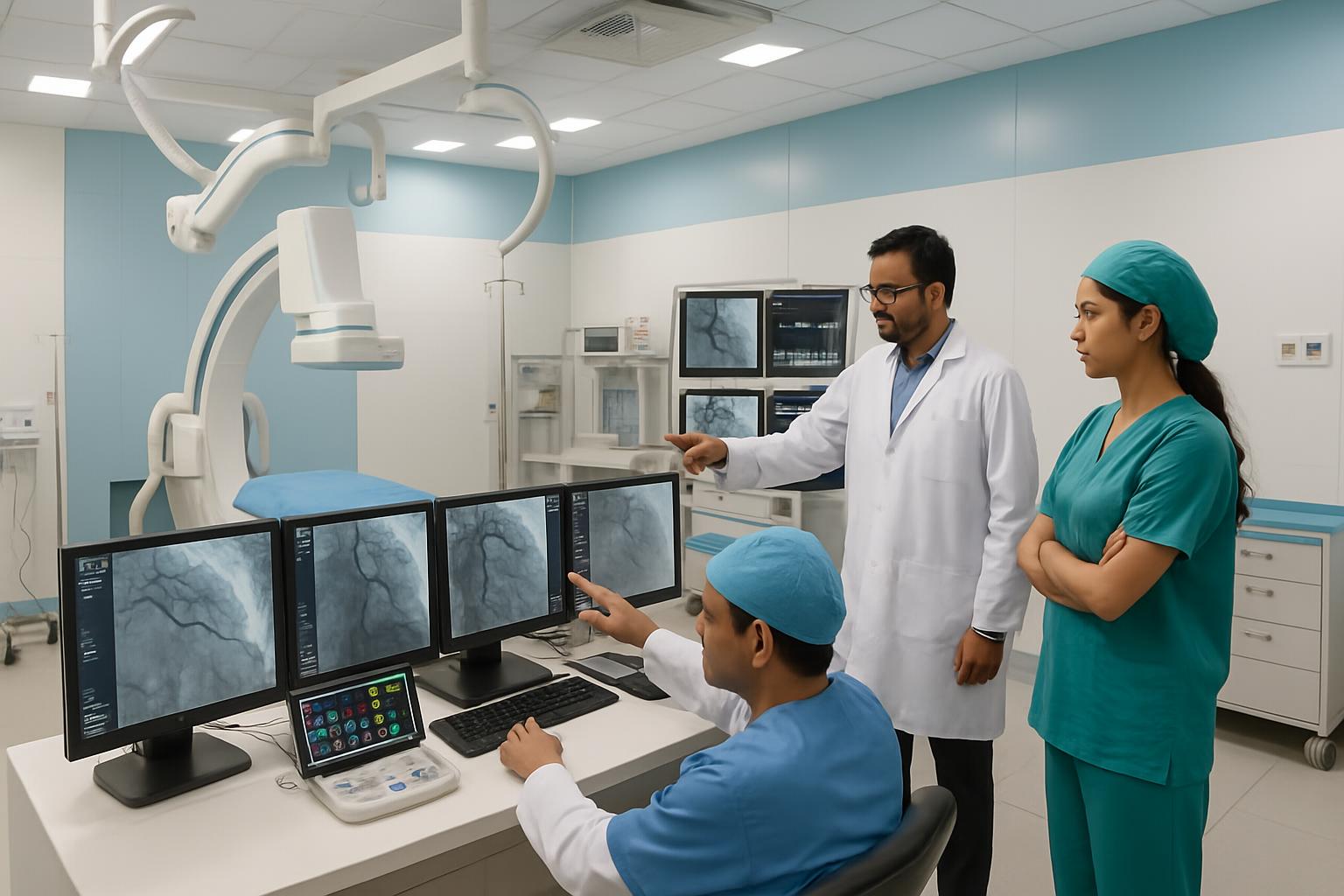
Cardiac Surgery in India: Why International Patients Choose Indian Hospitals
Read More →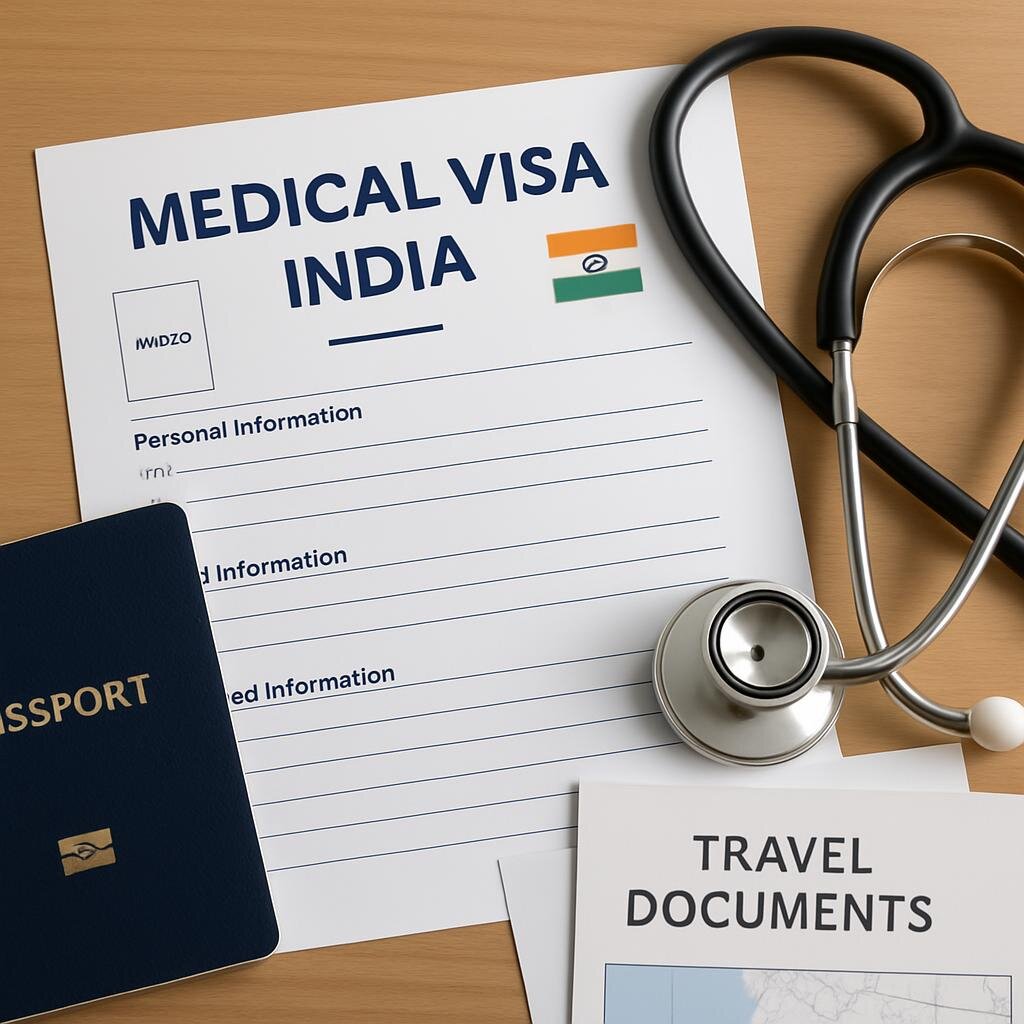
Medical Visa for India: A Step-by-Step Guide for International Patients
Read More →