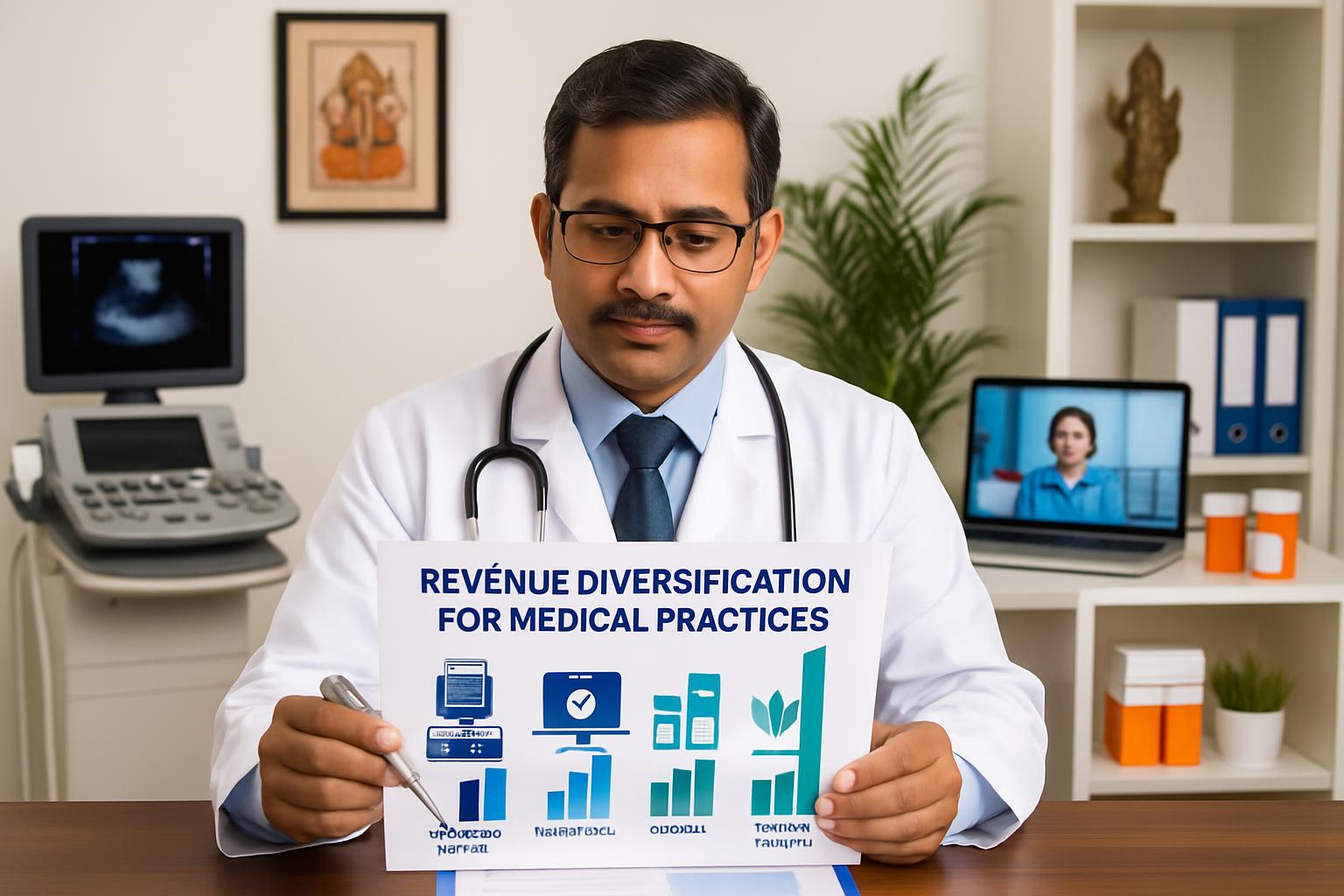

The Indian healthcare landscape is undergoing a seismic transformation, driven by technological advancements, evolving patient expectations, and a burgeoning middle class demanding better access and quality of care. This dynamic environment presents unprecedented opportunities for doctors to step beyond traditional clinical roles and embrace entrepreneurship. Whether it's leveraging technology to bridge care gaps, creating innovative service models, or improving operational efficiencies, doctor-led ventures are uniquely positioned to drive meaningful change.
However, the path from clinician to entrepreneur is often challenging. It requires a shift in mindset, acquisition of new skills, and navigating a complex ecosystem of regulations, funding, and market dynamics. This guide aims to equip aspiring doctor-entrepreneurs in India with the foundational knowledge and strategic insights needed to successfully launch and scale their healthcare ventures in 2025 and beyond.
Why Now is the Time for Doctor-Entrepreneurs in India
Several converging factors make the current climate ripe for healthcare entrepreneurship:
- Growing Healthcare Market: India's healthcare industry is projected to reach $372 billion by 2022, indicating massive growth potential.
- Digital Health Adoption: Increased internet penetration and smartphone usage are fueling the adoption of telemedicine, health apps, and AI-driven solutions.
- Government Initiatives: Programs like Ayushman Bharat (PM-JAY) and the National Digital Health Mission (NDHM) are creating new infrastructure and opportunities.
- Focus on Preventive Care: A growing awareness of preventive health is creating demand for wellness platforms, diagnostics, and personalized health management.
- Funding Ecosystem: Increased interest from venture capital and angel investors in the Indian health tech space.
- Need for Innovation: Persistent challenges in accessibility, affordability, and quality create space for innovative solutions.
Identifying Your Entrepreneurial Path: Startup Ideas for Doctors
Leverage your clinical expertise to identify unmet needs. Consider these potential avenues:
- Niche Telemedicine Platforms: Focus on specific specialties (mental health, dermatology, chronic disease management) or demographics (geriatrics, pediatrics).
- AI-Powered Clinical Decision Support: Develop tools that assist doctors in diagnosis, treatment planning, or risk prediction.
- Personalized Health & Wellness Platforms: Combine wearables data, genetic information, and lifestyle tracking for tailored preventive plans.
- Tech-Enabled Home Healthcare: Services like remote monitoring, virtual physiotherapy, or at-home diagnostics.
- Specialized Diagnostic Centers: Focus on advanced diagnostics not readily available, potentially using a hub-and-spoke model.
- Medical Tourism Facilitation: Platforms connecting international patients with specialized Indian healthcare providers.
- Continuing Medical Education (CME) Platforms: Innovative digital platforms for upskilling healthcare professionals.
- Healthcare Data Analytics Services: Help clinics and hospitals leverage data for operational efficiency and improved outcomes.
- Medical Device Innovation: Develop affordable and contextually relevant medical devices for the Indian market.
- Clinic Management Software (SaaS): Cloud-based solutions tailored for Indian practice workflows.
Building Your Foundation: The Business Plan
A robust business plan is your roadmap. Key components include:
- Executive Summary: A concise overview of your venture.
- Problem Statement: Clearly define the healthcare problem your venture solves.
- Solution: Detail your product or service and its unique value proposition.
- Market Analysis: Size of the target market, key demographics, trends, and competitor analysis.
- Business Model: How will you generate revenue? (Subscription, fee-for-service, B2B, B2C).
- Marketing and Sales Strategy: How will you reach and acquire customers/patients?
- Operations Plan: Technology requirements, staffing, workflow, location (if applicable).
- Management Team: Highlight the expertise of your core team (including your clinical background).
- Financial Projections: Startup costs, revenue forecasts, profitability analysis, funding requirements.
- Regulatory and Compliance Plan: How you will navigate relevant healthcare laws.
Navigating the Regulatory Maze
India's healthcare regulations are complex and evolving. Key areas to understand:
- Clinical Establishments Act, 2010: Registration and standards for healthcare facilities (varies by state).
- Telemedicine Practice Guidelines, 2020: Rules governing remote consultations.
- Digital Personal Data Protection Act (DPDPA), 2023: Requirements for handling patient data.
- Medical Council of India (MCI)/National Medical Commission (NMC) Guidelines: Professional conduct, ethics, advertising restrictions.
- Drugs and Cosmetics Act, 1940: For ventures involving pharmaceuticals or medical devices.
- Central Drugs Standard Control Organisation (CDSCO): Regulations for medical device approval and import.
- GST Regulations: Tax implications for different healthcare services.
Recommendation: Engage legal counsel specializing in healthcare early in your planning process.
Securing Funding for Your Healthcare Venture
Funding is often a major hurdle. Explore these options:
- Bootstrapping: Self-funding through personal savings or practice revenue. Provides full control but limits scale.
- Angel Investors: High-net-worth individuals (often doctors or industry veterans) investing their own money for equity.
- Venture Capital (VC): Firms investing larger amounts in scalable businesses for significant equity stakes. Look for VCs with healthcare focus.
- Government Grants & Schemes:
- Startup India Seed Fund Scheme
- Biotechnology Industry Research Assistance Council (BIRAC) grants
- Ministry of Electronics and Information Technology (MeitY) schemes for tech startups
- Incubators & Accelerators: Programs offering mentorship, resources, and often seed funding (e.g., NASSCOM 10,000 Startups, healthcare-specific accelerators).
- Bank Loans: Business loans, potentially with specific schemes for medical professionals or SMEs.
Key to Funding: A strong pitch deck, clear value proposition, scalable business model, capable team, and demonstrable traction (even early pilots).
Building the Right Team
As a doctor, you bring invaluable clinical insight, but entrepreneurship requires a broader skill set. Surround yourself with talent:
- Co-founders: Look for partners with complementary skills (business, technology, operations, marketing). Ensure alignment on vision and values.
- Early Hires: Focus on critical roles needed to build and launch your product/service.
- Advisors & Mentors: Seek guidance from experienced entrepreneurs, industry experts, and clinicians who have navigated similar paths.
- Culture: Foster a culture of innovation, patient-centricity, and ethical practice from day one.
Essential Skills Beyond Clinical Expertise
Doctors transitioning to entrepreneurship need to develop or acquire skills in:
- Business Acumen: Understanding market dynamics, strategy, and operations.
- Financial Literacy: Budgeting, forecasting, reading financial statements.
- Marketing & Sales: Communicating value and acquiring customers.
- Leadership & Management: Inspiring and guiding your team.
- Technology Proficiency: Understanding relevant technologies driving healthcare innovation.
- Networking: Building relationships with investors, partners, and customers.
- Adaptability & Resilience: Navigating the uncertainties and setbacks inherent in startups.
Consider online courses (Coursera, edX), workshops, or even an MBA if time permits.
Marketing Your Healthcare Startup
Even the best solutions need effective marketing:
- Digital Marketing: SEO, content marketing (blogging, webinars), social media marketing, targeted online ads (Google, LinkedIn).
- Partnerships: Collaborate with hospitals, clinics, diagnostic centers, or corporates.
- Referral Programs: Encourage word-of-mouth referrals from satisfied users or clinicians.
- Public Relations: Share milestones and thought leadership through press releases and media outreach.
- Conferences & Events: Showcase your venture at relevant healthcare industry events.
- Patient/Doctor Education: Position yourself as a thought leader through informative content.
Conclusion: Embracing the Doctor-Entrepreneur Journey
Healthcare entrepreneurship in India offers doctors a unique opportunity to amplify their impact, address systemic challenges, and shape the future of care delivery. While the journey requires dedication, resilience, and a willingness to learn beyond clinical medicine, the potential rewards—both professional and societal—are immense.
By combining your deep understanding of patient needs with sound business strategy, a strong team, and a commitment to ethical innovation, you can build a successful and impactful healthcare venture. Start by identifying a problem you're passionate about solving, develop a clear plan, seek mentorship, and take the first step. The Indian healthcare ecosystem needs your expertise and entrepreneurial spirit now more than ever.
Ready to Launch Your Healthcare Venture?
ClinicSpark AI can help you articulate your vision and value proposition with compelling content for your pitch deck, website, and marketing materials.
Get Content SupportFrequently Asked Questions
What are the most promising healthcare startup ideas for doctors in India in 2025?
Promising ideas include: 1) Niche Telemedicine Platforms (e.g., mental health, chronic disease management). 2) AI-powered Diagnostic Support Tools. 3) Personalized Preventive Health & Wellness Platforms. 4) Home Healthcare Services leveraging technology. 5) Health Tech solutions for Tier 2/3 cities. 6) Medical Tourism Facilitation platforms focusing on specific specialties. 7) Digital platforms for continuing medical education (CME). 8) Healthcare Data Analytics services for hospitals and clinics.
What are the key regulatory hurdles for healthcare startups in India?
Key hurdles include: 1) Navigating the Clinical Establishments Act and state variations. 2) Compliance with Telemedicine Practice Guidelines. 3) Adhering to the Digital Personal Data Protection Act (DPDPA) 2023. 4) Obtaining necessary licenses for specific services (diagnostics, pharmacy). 5) Understanding regulations around medical device imports or manufacturing (CDSCO). 6) GST compliance for various services. 7) Following MCI guidelines on advertising and professional conduct.
How can doctor-entrepreneurs secure funding for their healthcare startups in India?
Funding options include: 1) Bootstrapping (self-funding). 2) Angel Investors (often physicians or healthcare executives). 3) Venture Capital firms specializing in health tech. 4) Government grants and schemes (e.g., Startup India Seed Fund, BIRAC grants). 5) Incubators and Accelerators offering seed funding and mentorship. 6) Bank loans specifically designed for medical professionals or SMEs. 7) Crowdfunding platforms (less common for core healthcare services). A strong business plan, clear value proposition, and demonstrable traction are crucial.
What skills beyond clinical expertise are essential for doctor-entrepreneurs?
Essential non-clinical skills include: 1) Business Acumen (understanding finance, marketing, operations). 2) Leadership and Team Management. 3) Financial Literacy (budgeting, forecasting, P&L). 4) Marketing and Sales skills. 5) Networking and Relationship Building. 6) Adaptability and Resilience. 7) Technology Proficiency. 8) Strategic Thinking and Planning. 9) Negotiation Skills. Doctors can acquire these through courses, mentorship, or by hiring complementary team members.
Is it better to start a healthcare venture solo or with co-founders?
While possible to start solo, having co-founders is often advantageous, especially for doctors transitioning into entrepreneurship. Co-founders can bring complementary skills (e.g., business, technology, operations) that the doctor may lack. They share the workload, provide emotional support, and offer diverse perspectives for decision-making. However, choosing the right co-founders with shared vision and values is critical. Ensure clear roles, responsibilities, and equity distribution are established early on.