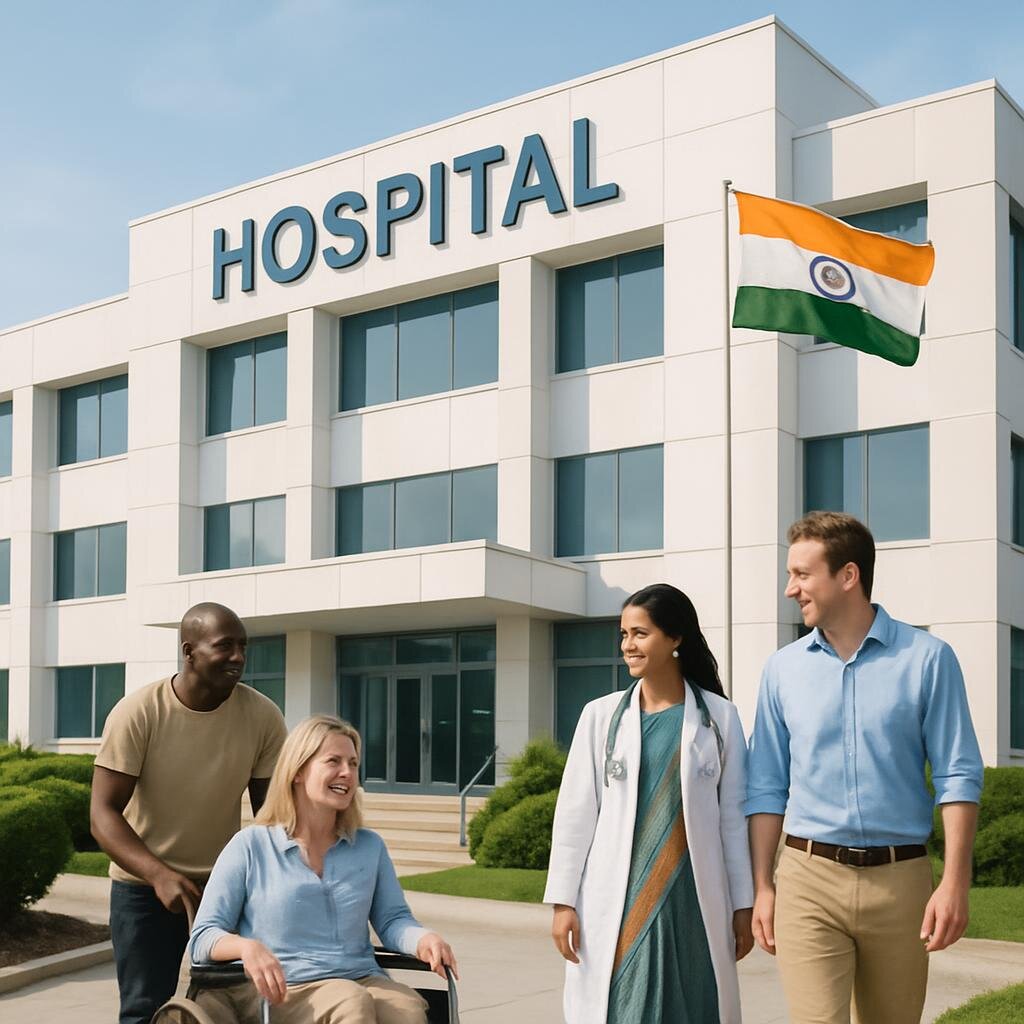

India's medical tourism industry has experienced remarkable growth, evolving from a niche sector to a major economic driver worth an estimated $9 billion annually. With procedures costing 65-90% less than in Western countries while maintaining comparable quality, India has positioned itself as a premier destination for international patients seeking affordable, high-quality healthcare.
For Indian doctors and healthcare facilities, this burgeoning market represents an unprecedented opportunity to expand their practice, increase revenue, and establish a global reputation. However, successfully attracting and serving international patients requires strategic planning, infrastructure development, and a deep understanding of the unique needs and expectations of medical tourists.
This comprehensive guide explores how Indian doctors and healthcare facilities can effectively tap into the lucrative medical tourism market, covering everything from understanding the landscape and building the necessary infrastructure to marketing strategies and ensuring patient satisfaction.
Understanding the Medical Tourism Landscape in India
Before developing a strategy to attract international patients, it's essential to understand the current medical tourism landscape in India, including key source markets, popular procedures, and competitive advantages.
Key Source Markets for Indian Medical Tourism
While India attracts patients from across the globe, certain regions contribute significantly to the inflow:
- Middle East: Countries like UAE, Saudi Arabia, Oman, and Qatar send patients primarily for advanced cardiac care, oncology, and orthopedic procedures.
- Africa: Nigeria, Kenya, Tanzania, and Ethiopia are major sources, with patients seeking treatments unavailable in their home countries.
- South and Southeast Asia: Bangladesh, Afghanistan, Maldives, Myanmar, and Indonesia contribute significant patient numbers.
- Commonwealth of Independent States (CIS): Russia, Kazakhstan, Uzbekistan, and other former Soviet republics.
- Western Countries: A growing number of patients from the UK, US, and Canada seek elective procedures and alternative treatments at lower costs.
Most Popular Procedures for Medical Tourists
Certain medical specialties and procedures are particularly attractive to international patients:
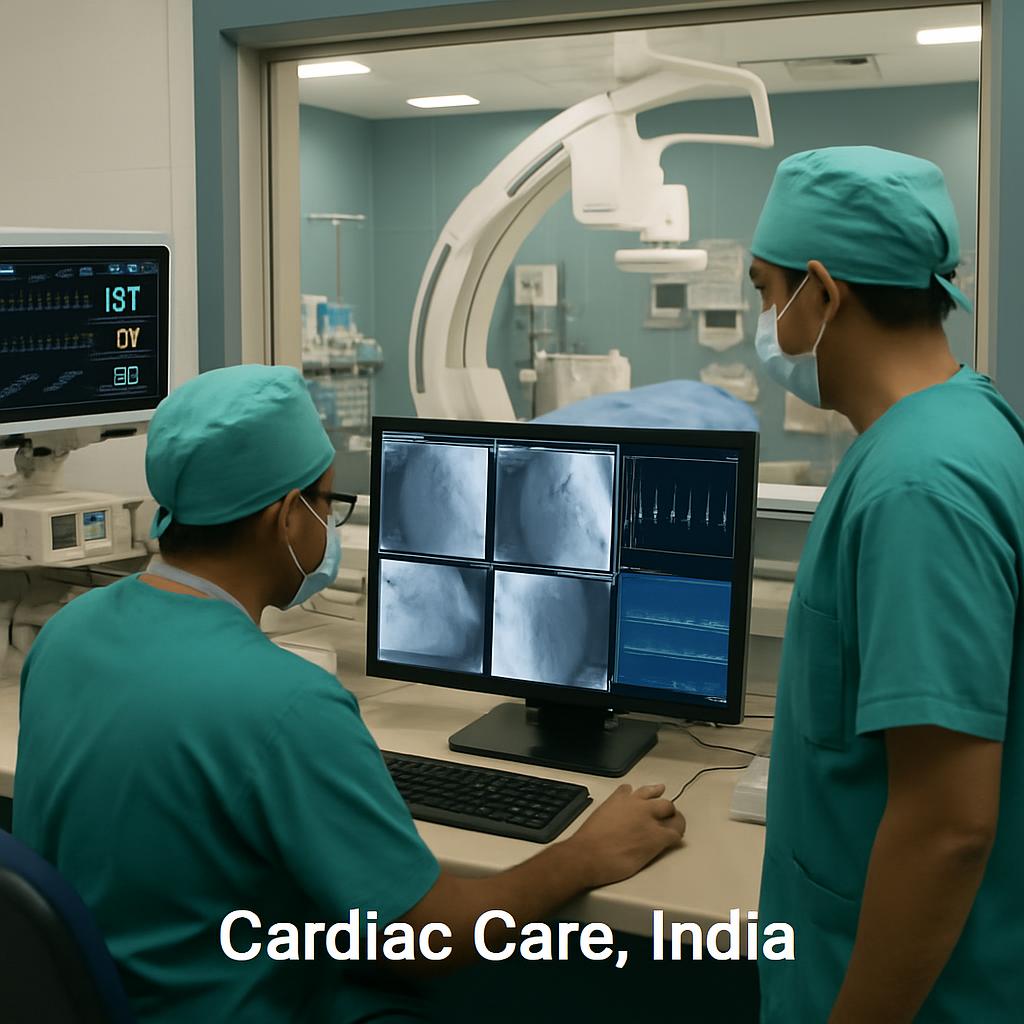
- Cardiac Procedures: Bypass surgery, valve replacements, angioplasty
- Orthopedic Treatments: Joint replacements, spine surgery
- Oncology: Cancer treatments including surgery, chemotherapy, and radiation
- Reproductive Medicine: IVF, surrogacy, and other fertility treatments
- Cosmetic Surgery: Rhinoplasty, liposuction, facelifts
- Dental Procedures: Implants, cosmetic dentistry, full-mouth rehabilitation
- Ayurveda and Wellness: Traditional treatments and preventive care
- Neurosurgery: Complex brain and spine procedures
- Ophthalmology: LASIK, cataract surgery, retinal treatments
India's Competitive Advantages
Understanding India's unique selling propositions helps in effectively marketing to international patients:
- Significant Cost Savings: Procedures cost 65-90% less than in Western countries
- World-Class Medical Facilities: Over 40 JCI-accredited hospitals and hundreds with NABH accreditation
- Highly Qualified Doctors: Many with international training and experience
- English Proficiency: Widespread English communication, reducing language barriers
- Minimal Wait Times: Immediate access to procedures that might have long waiting lists elsewhere
- Advanced Technology: State-of-the-art medical equipment and techniques
- Traditional Healing Options: Integration of Ayurveda and other traditional systems with modern medicine
- Tourism Opportunities: Combining medical treatment with cultural experiences
Building the Foundation: Essential Requirements for Medical Tourism Success
To successfully attract and serve international patients, Indian healthcare providers must establish certain foundational elements:
1. Quality Accreditations and Certifications
International accreditations serve as powerful trust signals for potential patients and referral partners:
- Joint Commission International (JCI): The gold standard for global healthcare quality
- National Accreditation Board for Hospitals & Healthcare Providers (NABH): India's premier quality certification
- International Organization for Standardization (ISO): Various certifications demonstrating adherence to international standards
- Specialty-Specific Accreditations: Certifications relevant to your particular medical specialty
The accreditation process, while rigorous, signals to international patients that your facility meets global standards for quality and safety.
2. International Patient Services Department
A dedicated department for international patients is essential for providing seamless care:
- Multilingual Coordinators: Staff who speak languages common in your target markets
- Case Managers: Dedicated personnel to guide patients through their entire medical journey
- Visa Assistance: Help with medical visa applications and extensions
- Travel and Accommodation Services: Airport pickups, hotel bookings, and local transportation
- Interpreter Services: Professional medical interpreters for consultations and procedures
- Cultural Sensitivity Training: For all staff interacting with international patients
3. Infrastructure and Facility Enhancements
Certain facility improvements may be necessary to meet international patients' expectations:
- Private Rooms: Well-appointed accommodations with amenities familiar to international travelers
- Food Services: Diverse menu options catering to various cultural and dietary preferences
- Communication Facilities: Reliable internet, international calling options
- Prayer/Meditation Rooms: Spaces accommodating various religious practices
- Signage: Multilingual directions and information throughout the facility
- Recreation Areas: Comfortable spaces for accompanying family members
4. Financial Systems and Processes
Streamlined financial processes are crucial for international patients:
- Transparent Pricing: Clear, all-inclusive package prices
- Multiple Payment Options: Credit cards, wire transfers, and other international payment methods
- Currency Exchange Services: On-site or facilitated currency exchange
- Insurance Coordination: Staff familiar with international insurance processes
- Detailed Cost Estimates: Comprehensive breakdowns provided before treatment
5. Telemedicine Capabilities
Remote consultation capabilities are increasingly important:
- Pre-Treatment Consultations: Initial assessments before patients travel
- Secure Platforms: HIPAA-compliant or equivalent video consultation systems
- Digital Document Exchange: Systems for securely sharing medical records
- Follow-Up Care: Remote monitoring and consultation after patients return home
Marketing Strategies to Attract International Patients
With the foundation in place, effective marketing becomes crucial for attracting international patients:
1. Comprehensive Digital Presence
Your online presence is often the first point of contact for potential patients:
- Multilingual Website: Professional site with translations for key target markets
- Virtual Tours: Interactive tours of your facility
- Doctor Profiles: Detailed credentials, experience, and specializations
- Procedure Information: Comprehensive details about treatments offered
- Patient Testimonials: Video and written testimonials from previous international patients
- Before/After Galleries: For applicable procedures (with patient consent)
- Online Appointment Booking: Easy scheduling system for international patients
2. Strategic Partnerships
Building relationships with key stakeholders can create steady referral channels:
- Medical Tourism Facilitators: Partner with reputable agencies in target countries
- International Insurance Providers: Become an approved provider for global insurance companies
- Foreign Hospitals: Establish referral relationships for specialized treatments
- Employers and Corporations: Direct arrangements with companies seeking affordable healthcare for employees
- Diaspora Communities: Connect with Indian communities abroad who can serve as ambassadors
3. Digital Marketing Campaigns
Targeted online marketing can reach potential patients in their research phase:
- Search Engine Optimization (SEO): Optimize for procedure and location-specific keywords
- Pay-Per-Click Advertising: Targeted campaigns in source countries
- Content Marketing: Educational blogs, videos, and resources addressing common questions
- Social Media Presence: Active profiles on platforms popular in target markets
- Email Marketing: Nurture campaigns for interested prospects
- Webinars: Educational sessions on treatments for potential patients
4. Traditional Marketing Approaches
Conventional marketing still plays an important role, especially in certain markets:
- Medical Tourism Conferences: Participation in international healthcare events
- Medical Missions: Sending doctors to provide care in target countries
- Print Media: Advertisements in relevant international publications
- Medical Tourism Roadshows: Presentations in key source markets
- Diplomatic Channels: Working with embassies and consulates
5. Showcasing Success Stories
Patient testimonials and case studies are powerful marketing tools:
- Video Testimonials: Authentic stories from satisfied international patients
- Case Studies: Detailed accounts of complex cases successfully treated
- Before/After Documentation: Visual evidence of successful outcomes
- Patient Ambassadors: Former patients who advocate for your services
Always obtain proper consent and maintain patient confidentiality when sharing success stories.
Delivering Excellence: The International Patient Journey
Understanding and optimizing each stage of the international patient journey is crucial for success:
1. Pre-Arrival Phase
The patient experience begins long before they arrive in India:
- Initial Inquiry Handling: Prompt, professional responses to all inquiries
- Medical Record Review: Preliminary assessment of the patient's condition
- Treatment Plan and Quote: Detailed proposal including procedures, timeline, and costs
- Visa Documentation: Providing necessary medical documents for visa application
- Travel Planning: Guidance on timing, accommodation, and local conditions
- Pre-Treatment Instructions: Clear guidelines for preparation
2. Arrival and Treatment Phase
Creating a seamless experience during the patient's stay in India:
- Airport Reception: Professional pickup and transfer to accommodation
- Initial Consultation: Comprehensive in-person assessment
- Pre-Procedure Testing: Efficient scheduling of necessary diagnostics
- Treatment Delivery: Procedure performed according to international standards
- Post-Procedure Care: Attentive recovery monitoring
- Accommodation of Companions: Support for family members or caregivers
- Cultural Considerations: Respecting religious practices, dietary needs, and customs
3. Post-Treatment and Return Phase
Ensuring continuity of care after the patient returns home:
- Comprehensive Discharge Planning: Detailed instructions for ongoing care
- Medication Supply: Providing sufficient medication until the patient can arrange local supply
- Medical Documentation: Complete records in English and possibly the patient's language
- Follow-up Schedule: Clear plan for remote consultations
- Local Physician Coordination: Communication with the patient's home doctor
- 24/7 Support Line: Access to medical advice during the critical post-treatment period
4. Long-Term Relationship Management
Maintaining connections with patients after their treatment:
- Regular Check-ins: Scheduled follow-ups to monitor progress
- Patient Community: Forums or groups for patients who've received similar treatments
- Feedback Collection: Systematic gathering of patient experiences
- Continuous Improvement: Using feedback to enhance services
- Referral Programs: Encouraging satisfied patients to refer others
Overcoming Challenges in Medical Tourism
Addressing common obstacles proactively can enhance your medical tourism program:
1. Regulatory and Legal Considerations
- Medical Visa Processes: Staying updated on changing regulations
- Liability and Insurance: Appropriate coverage for international patients
- Ethical Considerations: Adherence to global ethical standards
- Data Protection: Compliance with international data privacy regulations
2. Cultural and Communication Challenges
- Language Barriers: Professional interpretation services
- Cultural Sensitivity: Training staff on cultural norms of major source countries
- Expectation Management: Clear communication about procedures and outcomes
- Religious Accommodations: Respecting diverse religious practices
3. Continuity of Care Challenges
- Remote Follow-up: Establishing effective telemedicine protocols
- Complication Management: Protocols for handling complications after the patient returns home
- Medication Continuity: Ensuring patients can access necessary medications
- Local Provider Coordination: Building networks with healthcare providers in source countries
4. Competition and Differentiation
- Unique Value Proposition: Clearly defining what sets your services apart
- Specialization: Focusing on areas where you excel
- Continuous Innovation: Staying ahead with new treatments and technologies
- Price Positioning: Strategic pricing that reflects your quality while remaining competitive
Conclusion: Building a Sustainable Medical Tourism Practice
India's position in the global medical tourism market continues to strengthen, offering unprecedented opportunities for doctors and healthcare facilities to expand their reach and impact. Success in this field requires more than medical excellence—it demands a comprehensive approach encompassing infrastructure development, strategic marketing, cultural sensitivity, and seamless patient experiences.
By understanding the unique needs of international patients, investing in the necessary foundations, and implementing targeted marketing strategies, Indian healthcare providers can build thriving medical tourism practices that benefit not only their institutions but also contribute to India's growing reputation as a global healthcare destination.
The journey to becoming a successful player in medical tourism requires commitment, investment, and a patient-centered approach. However, for those willing to make this commitment, the rewards—both financial and in terms of global recognition—can be substantial.
Enhance Your Medical Tourism Marketing
ClinicSpark AI helps Indian healthcare providers create compelling content and digital marketing strategies to attract international patients. Contact us to learn how our specialized services can boost your medical tourism practice.
Contact UsFrequently Asked Questions
What accreditations are important for attracting international patients to Indian hospitals?
The most valuable international accreditations for Indian hospitals seeking to attract medical tourists include: 1) Joint Commission International (JCI) accreditation, which is considered the gold standard globally. 2) National Accreditation Board for Hospitals & Healthcare Providers (NABH) certification, which is highly regarded in India and increasingly recognized internationally. 3) International Organization for Standardization (ISO) certifications. 4) Specialty-specific accreditations like International Society for Quality in Healthcare (ISQua). These credentials signal to international patients and referral partners that your facility meets global standards for quality and safety.
How can Indian doctors market their services to international patients?
Effective marketing strategies for reaching international patients include: 1) Creating a multilingual website with detailed information about services, facilities, doctor credentials, and patient testimonials. 2) Establishing partnerships with medical tourism facilitators and international insurance providers. 3) Developing relationships with referring physicians in target countries. 4) Participating in international healthcare conferences and medical tourism events. 5) Implementing targeted digital marketing campaigns in source countries. 6) Showcasing success stories and patient testimonials through various channels. 7) Offering telemedicine consultations for initial assessments and follow-ups.
What are the most profitable medical specialties for attracting medical tourists to India?
The most profitable medical specialties for attracting international patients to India include: 1) Cardiac surgery and interventional cardiology, with procedures costing 80-90% less than in Western countries. 2) Orthopedic procedures, particularly joint replacements and spine surgeries. 3) Oncology treatments, including advanced therapies not available or affordable in many countries. 4) Reproductive medicine, especially IVF and surrogacy services. 5) Cosmetic and plastic surgery. 6) Dental treatments, particularly full-mouth rehabilitation and implants. 7) Ayurvedic and wellness treatments, which offer unique appeal. 8) Neurosurgery, especially for complex conditions. These specialties combine significant cost advantages with India's established expertise.
What infrastructure is needed to support international patients at Indian hospitals?
Essential infrastructure for supporting international patients includes: 1) International patient services department with multilingual coordinators. 2) Airport pickup and transportation services. 3) Accommodation arrangements for patients and companions. 4) Currency exchange facilities and multiple payment options. 5) Translation services covering major languages from target countries. 6) Cultural sensitivity training for staff. 7) International cuisine options. 8) Telemedicine capabilities for pre-arrival consultations and follow-up care. 9) Fast-track appointment systems. 10) Assistance with visa processes and travel arrangements. 11) Private, well-appointed rooms with amenities familiar to international travelers.
How can Indian doctors ensure continuity of care for international patients after they return home?
Effective strategies for ensuring continuity of care include: 1) Providing comprehensive discharge summaries and medical records in English and the patient's native language. 2) Establishing relationships with healthcare providers in the patient's home country for coordinated follow-up care. 3) Offering telemedicine follow-up consultations at scheduled intervals. 4) Creating detailed post-treatment care plans with clear instructions. 5) Providing direct contact information for the treating physician for urgent queries. 6) Developing a patient portal where international patients can access their records and communicate with their Indian healthcare team. 7) Sending medication and supplies that may not be available in the patient's home country when appropriate.