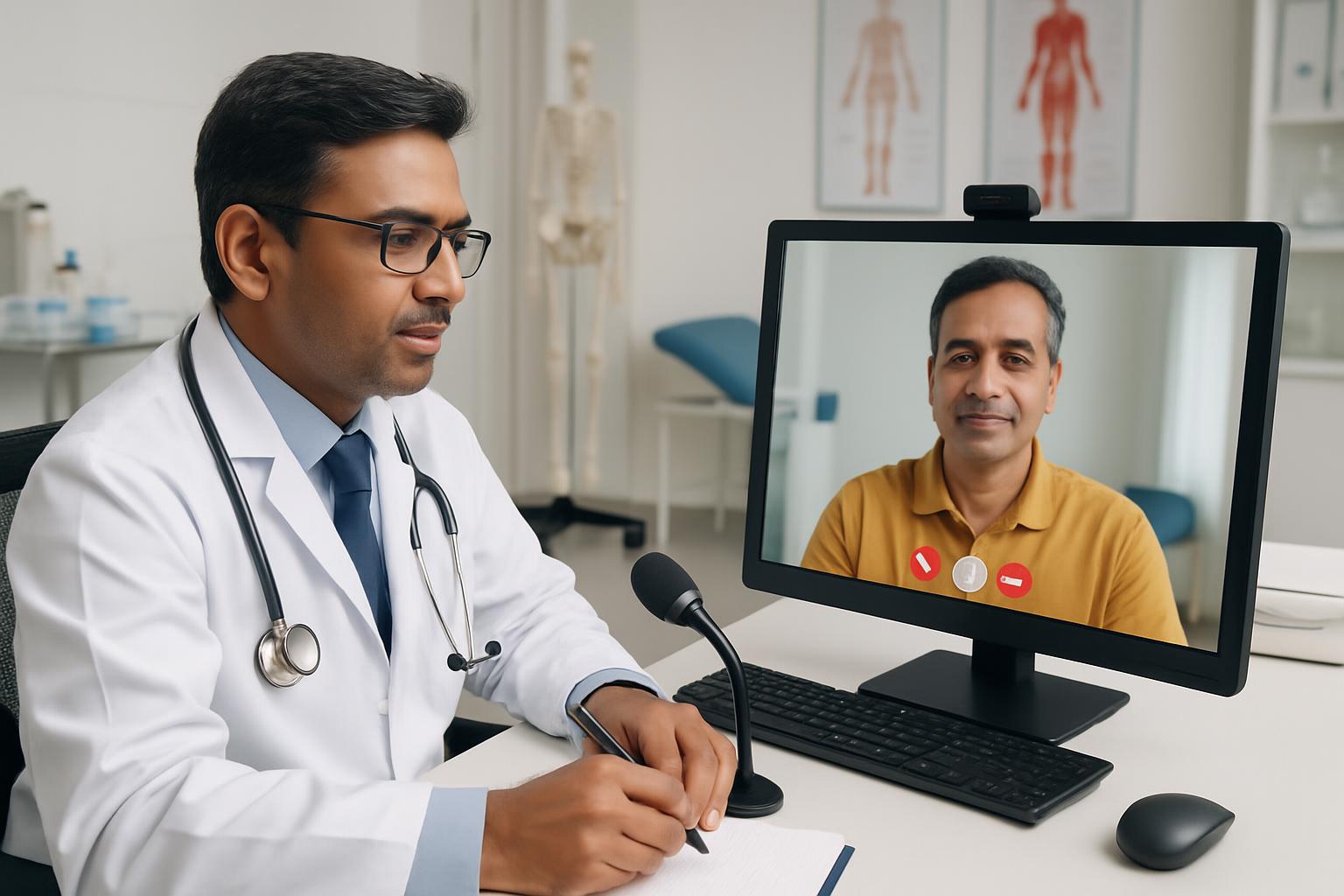

In today's digitally connected India, having a strong online presence is no longer optional for medical practices – it's essential for growth, patient acquisition, and building trust. With over 800 million internet users in India, patients increasingly turn to online resources to find doctors, research conditions, and make healthcare decisions. A well-executed digital marketing strategy can help Indian medical practices stand out, attract the right patients, and thrive in a competitive landscape.
However, navigating the world of digital marketing can be daunting for busy medical professionals. Furthermore, the Indian healthcare sector has specific ethical guidelines and regulations that must be adhered to. This comprehensive guide provides Indian doctors and practice managers with actionable digital marketing strategies tailored for 2025, covering everything from local SEO to content marketing and online reputation management, all while staying compliant with NMC guidelines.
1. Foundational Element: A Professional, Mobile-Friendly Website
Your website is the cornerstone of your digital presence. It should be professional, easy to navigate, mobile-responsive (over 70% of Indian internet users access via mobile), and provide essential information clearly.
Key Website Features for Indian Practices:
- Clear Service Descriptions: Detail the conditions you treat and procedures you offer.
- Doctor Profiles: Include qualifications, experience, and a professional photo.
- Online Appointment Booking: Integrate with platforms like Practo or offer a direct booking system.
- Patient Testimonials (Ethical): Focus on experiences, not cure claims (ensure compliance).
- Location & Contact Information: Easily accessible address, phone number, map, and operating hours.
- Blog Section: For patient education and SEO (more on this later).
- Language Options: Consider adding Hindi or relevant regional languages.
- Compliance Information: Privacy policy, terms, and NMC registration details.
Ensure your website loads quickly, as speed is a critical factor for both user experience and Google rankings, especially important given varying internet speeds across India.
2. Dominate Local Search: Mastering Local SEO
For most medical practices, attracting local patients is paramount. Local SEO helps your practice appear when potential patients search for doctors or services in your specific city or neighborhood.
Essential Local SEO Tactics:
- Google Business Profile (GBP) Optimization: Claim and fully optimize your GBP listing. Include accurate details, services, photos, Q&A, and encourage reviews. This is crucial for appearing in the Google Map Pack.
- NAP Consistency: Ensure your Name, Address, and Phone number (NAP) are identical across all online directories (Practo, Justdial, Sulekha, etc.).
- Local Keyword Targeting: Optimize website content and titles with location-specific keywords (e.g., "best dermatologist in South Delhi", "pediatric clinic Koramangala Bangalore").
- Online Reviews Management: Actively solicit and manage reviews on Google, Practo, and other relevant platforms. Respond to all reviews professionally.
- Local Link Building: Get listed in local Indian directories and potentially partner with local community websites or organizations.
3. Build Trust & Authority: Content Marketing
Content marketing involves creating valuable, informative content to attract and engage your target audience, positioning your practice as a trusted authority.
Effective Content Formats for Indian Doctors:
- Blog Posts: Address common health concerns, explain procedures, discuss preventive care relevant to the Indian context (e.g., managing diabetes with Indian diets, monsoon health tips).
- Patient Education Articles: In-depth guides on specific conditions prevalent in India.
- Informative Videos: Short videos explaining conditions, demonstrating exercises, or introducing your practice (consider Hindi/regional languages).
- Infographics: Visually appealing summaries of health statistics or tips.
- FAQs: Answer frequently asked questions about your specialty or procedures.
Focus on providing accurate, evidence-based information that empowers patients. Ensure all content is compliant with NMC guidelines and avoids exaggerated claims.
4. Engage Your Community: Social Media Marketing
Social media platforms offer a way to connect with patients, share valuable information, and build a community around your practice.
Social Media Strategies for Indian Practices:
- Choose the Right Platforms: Facebook and Instagram are popular for general patient engagement. LinkedIn is useful for connecting with other professionals. WhatsApp Business can be used for appointment reminders (with consent).
- Share Educational Content: Post health tips, myth-busters, short videos, and links to your blog articles.
- Highlight Practice Updates: Announce new services, timings, or health camps.
- Run Awareness Campaigns: Participate in national health awareness days relevant to India.
- Engage with Followers: Respond to comments and messages promptly (but avoid giving medical advice online).
- Use Localized Content: Tailor posts to local events or health concerns.
Maintain professionalism and adhere strictly to patient privacy regulations (no sharing of patient photos or details without explicit consent).
5. Protect Your Practice: Online Reputation Management (ORM)
Your online reputation significantly impacts patient trust and acquisition. Proactive ORM is crucial.
Key ORM Activities:
- Monitor Online Reviews: Regularly check Google, Practo, Justdial, social media, and other relevant platforms.
- Encourage Positive Reviews: Ask satisfied patients to share their feedback online (ethically).
- Respond to All Reviews: Thank positive reviewers. Address negative reviews professionally, empathetically, and offer to resolve the issue offline. Never argue publicly or violate patient confidentiality.
- Build Positive Content: Regularly publish high-quality content to push down any potential negative search results.
6. Targeted Reach: Paid Advertising (PPC)
Paid advertising, primarily through Google Ads, can provide immediate visibility and attract patients actively searching for your services.
Google Ads Strategies for Doctors:
- Focus on Local Campaigns: Target specific cities or neighborhoods.
- Use Relevant Keywords: Bid on specific, high-intent keywords (e.g., "ENT specialist appointment Jayanagar", "IVF cost Chennai"). Include negative keywords to avoid irrelevant clicks.
- Compelling Ad Copy: Highlight key benefits, qualifications, and include a clear call-to-action (e.g., "Book Appointment Online", "Call for Consultation"). Ensure compliance with advertising guidelines.
- Landing Page Optimization: Direct ad clicks to relevant service pages or dedicated landing pages, not just the homepage.
- Track Conversions: Monitor calls, form submissions, and appointment bookings generated from ads to measure ROI.
Start with a modest budget and gradually scale based on performance. Be mindful of high competition and CPCs for certain medical keywords in major Indian cities.
7. Nurture Leads: Email Marketing
Email marketing can be used to nurture relationships with existing patients and keep your practice top-of-mind.
Ethical Email Marketing Tactics:
- Build an Opt-In List: Collect email addresses ethically (e.g., via website sign-up, patient registration forms with consent).
- Send Newsletters: Share practice updates, health tips, and links to new blog content.
- Appointment Reminders: Reduce no-shows with automated email reminders.
- Health Awareness Information: Send relevant information based on patient demographics or conditions (with segmentation and consent).
Always provide an easy unsubscribe option and comply with India's data protection regulations.
Measuring Success: Key Performance Indicators (KPIs)
Track these metrics to understand the effectiveness of your digital marketing efforts:
- Website Traffic: Overall visitors, traffic sources (organic, direct, referral, social, paid).
- Local SEO Rankings: Your position in Google Maps and local search results for target keywords.
- Online Reviews: Number of new reviews, average rating.
- Conversion Rate: Percentage of website visitors who book appointments, call, or fill out contact forms.
- Cost Per Acquisition (CPA): How much it costs to acquire a new patient through digital channels.
- Social Media Engagement: Likes, shares, comments, follower growth.
- Google Business Profile Insights: Views, clicks to website, calls, direction requests.
Use tools like Google Analytics, Google Search Console, and your GBP dashboard to monitor these KPIs regularly.
Conclusion: Integrating Digital Marketing into Your Practice
Digital marketing is a powerful tool for growth and patient engagement for medical practices in India. By implementing a strategic mix of website optimization, local SEO, content marketing, social media engagement, and reputation management, doctors can effectively reach their target audience, build trust, and grow their practice ethically and sustainably.
Start small, focus on the foundational elements like your website and local SEO, and gradually expand your efforts. Consistency is key. Remember to always prioritize patient privacy and adhere to the ethical guidelines set forth by the National Medical Commission. With a patient-centric and compliant approach, digital marketing can become a significant asset for any Indian medical practice in 2025 and beyond.
Need Help with Your Medical Practice Marketing?
ClinicSpark AI offers specialized content creation and digital strategy services for healthcare professionals in India. Let us help you build a strong online presence while you focus on patient care.
Get Started TodayFrequently Asked Questions
How much should an Indian medical practice budget for digital marketing?
A typical digital marketing budget for a small to medium-sized medical practice in India ranges from ₹25,000 to ₹1,00,000 per month. This generally covers SEO, local SEO, content creation, social media management, and potentially some paid advertising (Google Ads). Larger hospitals or multi-specialty clinics might invest ₹2,00,000 to ₹5,00,000+ monthly for more comprehensive campaigns including video marketing and PR.
Is it ethical for doctors in India to advertise their services?
Yes, it is ethical, but with strict guidelines. The National Medical Commission (NMC) permits doctors and medical institutions to advertise, but the information must be factual, verifiable, and not misleading. Advertisements should focus on informing the public about available services and facilities, rather than making comparative claims or soliciting patients directly. Testimonials and success rate claims are generally discouraged. It's crucial to adhere to the NMC's Code of Medical Ethics.
What is the most important digital marketing channel for Indian doctors?
For most Indian doctors, Local SEO (Search Engine Optimization) is arguably the most crucial channel. This involves optimizing their Google Business Profile, getting positive patient reviews, and ensuring their practice appears prominently in local search results (e.g., "best cardiologist near me"). This directly connects doctors with patients actively seeking medical care in their vicinity.
How can Indian doctors manage their online reputation effectively?
Effective online reputation management involves: 1) Actively monitoring review sites like Google, Practo, Justdial. 2) Encouraging satisfied patients to leave reviews. 3) Responding professionally and promptly to all reviews (both positive and negative). 4) Addressing negative feedback constructively and taking it offline if necessary. 5) Publishing high-quality content (blogs, articles) to build authority and positive search results.
Should Indian medical practices use social media marketing?
Yes, social media can be highly effective for patient education, community engagement, and building trust. Platforms like Facebook, Instagram, and LinkedIn can be used to share health tips, practice updates, introduce staff, and run awareness campaigns. However, content must remain professional, informative, and compliant with medical advertising guidelines. Direct patient solicitation or sharing patient information is strictly prohibited.