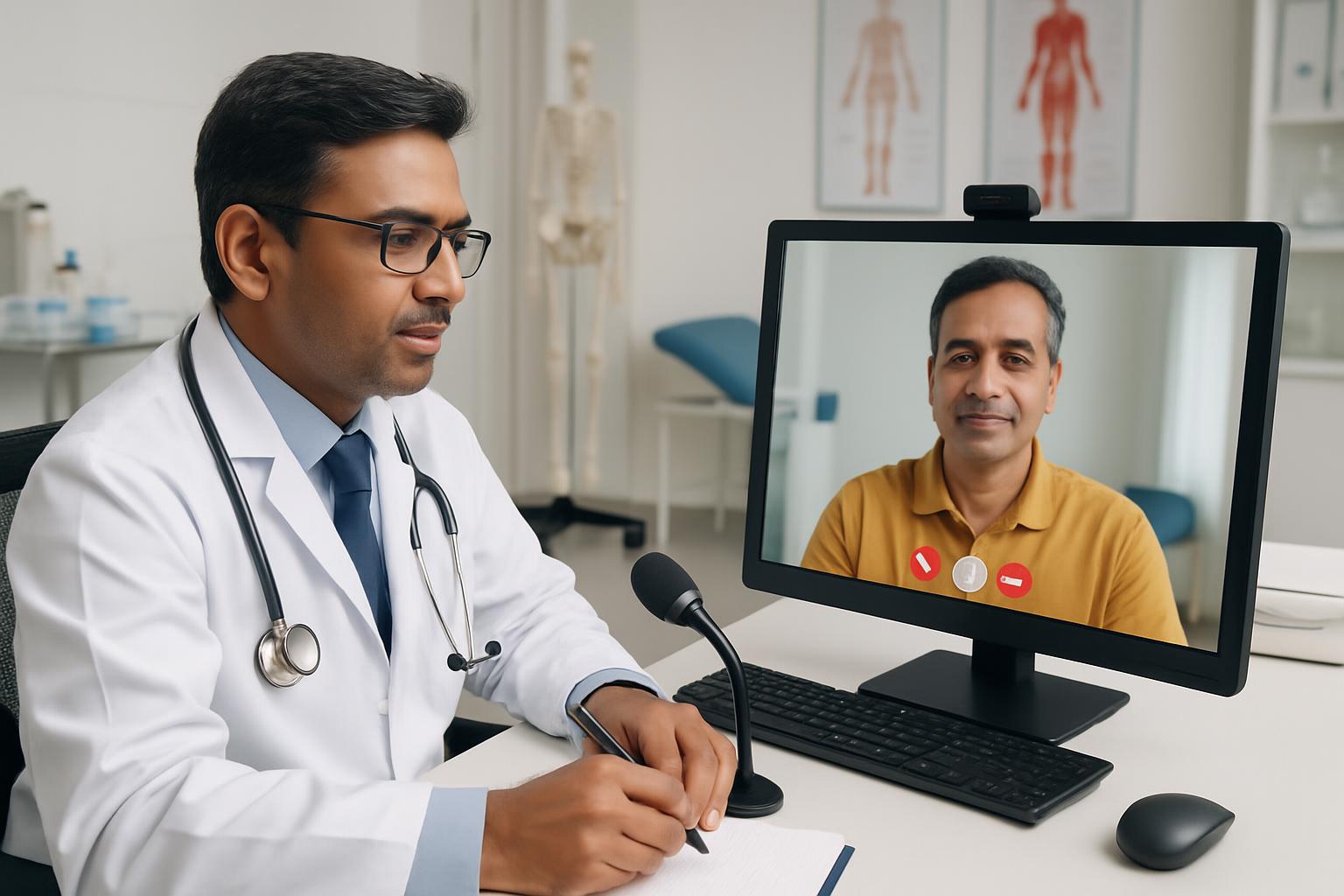

Telemedicine has rapidly transformed healthcare delivery in India, accelerated by the COVID-19 pandemic and formally recognized through the Telemedicine Practice Guidelines issued by the Board of Governors in supersession of the Medical Council of India (MCI) in March 2020. These guidelines, integrated into the Indian Medical Council (Professional Conduct, Etiquette and Ethics) Regulations, 2002, provide a legal framework for Registered Medical Practitioners (RMPs) to offer remote consultations.
While telemedicine offers immense benefits in terms of accessibility and convenience, it also introduces unique regulatory and ethical challenges. For Indian doctors, understanding and adhering to these guidelines is not just best practice – it's a legal requirement. Non-compliance can lead to professional misconduct charges and legal repercussions. This guide provides a comprehensive overview of the key telemedicine regulations in India as of 2025, focusing on compliance aspects crucial for RMPs.
1. Who Can Practice Telemedicine in India?
Only a Registered Medical Practitioner (RMP) enrolled in the State Medical Register or the Indian Medical Register under the Indian Medical Council Act, 1956, is entitled to practice telemedicine in India. The guidelines explicitly state that platforms or technology providers (e.g., apps, websites) are considered enablers and do not have the right to practice medicine themselves. The ultimate responsibility and accountability for the medical advice provided rest solely with the RMP.
RMPs must prominently display their registration number during telemedicine consultations, ensuring transparency for the patient.
2. Modes of Telemedicine Consultation
The guidelines recognize various modes of communication for telemedicine, including:
- Video: Real-time, two-way audiovisual communication.
- Audio: Real-time, two-way audio communication (e.g., phone calls).
- Text-based: Asynchronous communication via chat, messaging platforms, email, or fax.
The choice of mode depends on the clinical context, the type of information required, and the RMP's professional judgment. However, certain limitations apply, particularly regarding prescriptions, based on the mode used and whether it's a first or follow-up consultation.
3. Patient Identification and Consent
Verification and consent are cornerstones of compliant telemedicine practice.
Identification:
- The RMP must verify the patient's identity using name, age, address, email ID, phone number, or other identifiers.
- Similarly, the RMP must introduce themselves and provide their registration number to the patient.
- If a caregiver is present, their identity and relationship to the patient must also be verified and documented.
Consent:
- Explicit Consent: Mandatory for initiating any telemedicine consultation.
- Implied Consent: Assumed if the patient initiates the consultation (e.g., calls the RMP). However, explicit consent is safer and recommended.
- Caregiver/Guardian Consent: Required for minors or patients lacking capacity.
- Mode of Consent: Can be verbal, written, or electronic (text, email).
- Documentation: Consent must be documented in the patient's medical records.
Patients retain the right to withdraw consent at any time.
4. Consultation Process and Patient Management
The guidelines outline specific steps for conducting a telemedicine consultation:
- Patient Evaluation: Gather sufficient medical history and information to make a professional judgment. If information is inadequate, the RMP should insist on an in-person consultation.
- Standard of Care: The RMP must uphold the same standard of care as in an in-person consultation.
- Professional Judgment: RMPs must decide if telemedicine is appropriate for the patient's condition or if an in-person review is necessary. They can refuse telemedicine if they deem it unsuitable.
- Emergency Situations: Telemedicine can be used for initial advice in emergencies, but the RMP should primarily advise the patient to seek immediate in-person care.
- Patient Management: This includes providing health education, counseling, prescribing medicines (within limits), and arranging referrals or follow-ups.
5. Prescribing Medicines via Telemedicine: The Crucial Limitations
This is one of the most critical and regulated aspects. The guidelines categorize medicines into specific lists:
- List O: Common over-the-counter (OTC) medicines, safe for first consult via any mode (video, audio, text). Examples: Paracetamol, ORS, cough lozenges.
- List A: Medicines prescribed during the first consult *only* after video consultation, or for follow-up consults (after in-person visit) via any mode. Examples: Certain antibiotics, antihypertensives, diabetic medications (requiring prior diagnosis).
- List B: Medicines prescribed only during a follow-up consultation for a patient undergoing continuous treatment for a chronic condition, following an initial in-person visit. Examples: Refills for stable chronic conditions.
- Prohibited List: Medicines that *cannot* be prescribed via telemedicine under any circumstances. This includes Schedule X drugs (as per Drugs and Cosmetics Act), narcotics, and psychotropic substances.
Key Prescription Rules:
- RMPs must issue a digitally signed or e-signed prescription.
- Prescriptions must adhere to the standard format outlined in the IMC Regulations, 2002.
- RMPs must clearly state the limitations and potential need for in-person follow-up.
Violating these prescription rules is a serious offense.
6. Data Privacy and Security
RMPs are obligated to protect patient privacy and confidentiality.
- Confidentiality: Maintain the privacy of patient information shared during the consultation.
- Data Security: Use platforms and methods that ensure the security of patient data during transmission and storage.
- Compliance: Adhere to India's data protection laws, notably the Digital Personal Data Protection Act, 2023 (DPDP Act). This includes obtaining clear consent for data processing, ensuring data accuracy, implementing security safeguards, and respecting data principal rights (like access and correction).
- Breach Notification: RMPs and platforms must have procedures for notifying relevant authorities and affected individuals in case of a data breach.
RMPs are responsible for ensuring any technology platform they use complies with these requirements.
7. Medical Records and Documentation
Maintaining accurate records is as crucial for telemedicine as for in-person consultations.
- Content: Records should include patient ID, consent, history, findings, diagnosis, advice, prescription (if any), mode of consultation, and RMP details.
- Storage: Records must be stored securely, maintaining confidentiality.
- Format: Digital records are preferred, but physical records are acceptable if properly managed.
- Retention: Follow standard medical record retention policies.
8. Fees and Ethics
- Fees: RMPs can charge fees for telemedicine consultations. The fee structure should be transparent and communicated upfront. A receipt must be provided.
- Ethics: RMPs must adhere to the general principles of medical ethics, including professional conduct, patient autonomy, and beneficence.
- Advertising: Telemedicine services cannot be advertised in a way that violates existing regulations on medical advertising.
- Continuity of Care: RMPs should ensure proper follow-up mechanisms are in place.
Conclusion: Embracing Telemedicine Responsibly
The Telemedicine Practice Guidelines provide a vital framework for integrating remote consultations into mainstream healthcare in India. For RMPs, compliance is paramount. Key takeaways include understanding who can practice, obtaining explicit consent, adhering strictly to prescription limitations, ensuring data privacy under the DPDP Act, maintaining meticulous records, and upholding ethical standards.
By diligently following these regulations, Indian doctors can leverage the power of telemedicine to expand access to care, improve patient convenience, and enhance their practice, all while ensuring patient safety and maintaining legal and ethical integrity. Staying updated with any amendments to these guidelines and related data protection laws is crucial for continued compliance in this evolving field.
Stay Compliant with Telemedicine Guidelines
Need help navigating healthcare regulations or ensuring your digital platforms are compliant? ClinicSpark AI partners with legal experts to provide guidance. Contact us for support.
Get Compliance SupportFrequently Asked Questions
Can doctors prescribe all types of medicines via telemedicine in India?
No. The Telemedicine Practice Guidelines categorize medicines into List O (common over-the-counter drugs, safe for first consult), List A (requiring diagnosis, safe for follow-up or first consult with video), List B (requiring in-person follow-up), and a Prohibited List (Schedule X drugs, narcotics, psychotropics). Doctors must adhere strictly to these lists based on the consultation type (first vs. follow-up) and mode (video vs. audio/text). Prescribing prohibited drugs via telemedicine is illegal.
What are the patient consent requirements for telemedicine in India?
Explicit patient consent is mandatory before initiating a telemedicine consultation. Consent can be implied if the patient initiates the consultation but must be explicitly recorded if initiated by the doctor (RMP). Consent can be verbal, written, or electronic (e.g., email, text message). The doctor must document the consent obtained in the patient's records. For minors or patients lacking capacity, consent must be obtained from a legal guardian.
What technology standards must telemedicine platforms meet in India?
While specific platforms aren't mandated, the technology used must ensure patient privacy and data security. Key requirements include: secure data transmission (encryption), access controls, audit trails, compliance with Indian data protection laws (currently the Digital Personal Data Protection Act, 2023), and reliable connectivity. Doctors are responsible for choosing platforms that meet these standards.
Are there specific record-keeping requirements for telemedicine consultations in India?
Yes, doctors must maintain the same standard of medical records for telemedicine consultations as for in-person visits. Records should include patient identification, consent, chief complaints, history, examination findings (if applicable), diagnosis, advice, prescription details (if any), and the mode of consultation. These records must be stored securely and comply with relevant data retention policies.
Can doctors charge fees for telemedicine consultations in India?
Yes, doctors (RMPs) are permitted to charge appropriate fees for telemedicine consultations, similar to in-person visits. The fee structure should be transparent and communicated to the patient beforehand. Doctors must provide a receipt or invoice for the consultation fee charged.